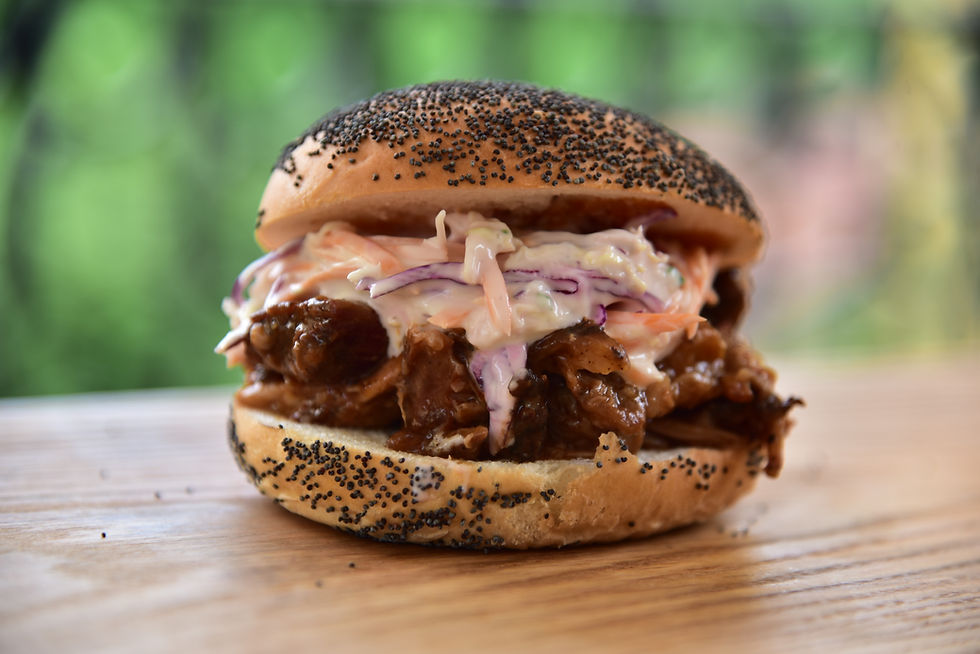
Homemade Pastrami: the complete BBQ recipe
The recipe we're sharing is a classic barbecue dish, highly technical but essential to have in your repertoire. We're talking about Pastrami.
To prepare it, we will need a top-quality beef brisket: for this reason we relied on Meatery.
Follow every step for an exceptional homemade Pastrami!
INGREDIENTS
- 2kg Brisket ( flat part)
For the brine:
- waterfall
- 200 g of coarse sea salt
- 100 g of brown sugar (muscovado)
- 2 teaspoons of honey
- 1 tablespoon of peppercorns
- 2 juniper berries
- 2 cloves
- 1 tablespoon of allspice
- 2 bay leaves
- 4 cloves of fresh garlic
- nitrate salt (see instructions on the package)
For the rub:
- 2 tablespoons of pepper
- 1 tablespoon of coriander
- 2 tablespoons of fennel
- 1 tablespoon of cinnamon
- 2 tablespoons of chili pepper
- 2 tablespoons sweet paprika
- 1 tablespoon garlic powder
PREPARATION
Pastrami originally did not indicate a preparation, but referred to a method of preservation: through smoking and brining, any cut of meat could be preserved.
The recipe for Pastrami has Jewish origins and the pronunciation of its name has roots in Romania and Turkey.
We purchased the meat from Meatery, so it arrived pre-cut and cleaned. In this case, no further cleaning is necessary; we simply pat the meat dry to remove excess liquid from the vacuum sealer.

Now let's tackle the first important step: mixing the brine. To prepare it, we need to boil water to eliminate any germs and better dissolve the salt and the ingredients we'll add.
When making the brine, it's important to stick to the correct percentages: anything above 6% salt concentration would be too high to cook the meat. For this recipe, we'll stick to 5% to 6%, as it's necessary to preserve the meat during its long stay in the brine.
We can easily calculate the percentage by remembering that for every liter of water, 10 g of salt represent 1%.
Once the water reaches a boil, add the coarse sea salt, muscovado cane sugar, and a couple of teaspoons of honey. Stir until everything dissolves. If the honey has a strong flavor, like chestnut, reduce the amount.

Once the ingredients have melted, remove the pan from the heat and let the water cool completely.
To complete the brine, we need the dried spices that we will previously toast in a saucepan: peppercorns, juniper berries, cloves, allspice and bay leaves.
Roasting will help concentrate the essential oils contained in the spices.
We place them in a pan over medium heat. By constantly moving the pan, we ensure that the spices don't burn and that they toast evenly.
Once roasting is complete, crush the berries lightly with a mortar and crush them coarsely.
In a large bowl, pour the water, chopped spices, and four cloves of fresh garlic. The garlic will add flavor and its antibacterial properties.
The meat will need to remain in brine for seven days, so we also add the nitrate salt (depending on the brand you use, check the percentages on the package to ensure the correct amount).
We put the brine in the refrigerator until it reaches a temperature of 4°C.
At this point, all we have to do is completely immerse the meat in the brine.

Close the container and return it to the refrigerator. It's a good idea to turn the cut of meat every day so it doesn't stay in the same position all the time.
After a week, remove the meat from the brine. At this stage, simply remove the spices and dry it thoroughly.
Now we can focus on the spices to create our rub that will add crunch to the outside of the pastrami. We'll use pepper, coriander, fennel, cinnamon, chili pepper, sweet paprika, and garlic powder.

We toast the coriander, pepper and fennel as we did for pickled spices.
Meanwhile, add a cinnamon stick and the dried chili pepper to the mortar.
Toast the spices, pour them into a mortar and add the garlic powder. Grind everything quite finely. Finally, transfer to a bowl and add the sweet paprika powder.
We take the brisket and proceed by sprinkling the rub evenly over the cut of meat: above, below and on the sides.

The cooking process will be divided into two parts. The first is at 120°C using an indirect setting until the core reaches 60°C. In the second phase, we wrap the meat in foil and cook it again until the core reaches 90-92°C.
In the first phase, we smoke by activating a specific function on our pellet barbecue that produces more smoke and keeps the temperature low.

Once the first phase is complete, we will notice that the meat will have shrunk slightly and will be more browned thanks to the action of the smoke.
We transfer the meat into the foil . We wrap it in butcher paper because we've noticed from several tests that preparations made with butcher paper taste the best.
We just need to be careful to reinsert the wire thermometer into the meat, making a hole in the butcher paper and passing the wire through . Once we've made sure the paper is tightly wrapped around the meat and that the thermometer remains fixed in the center, we can put the pastrami back on the barbecue, still at 120°C, and wait for the thermometer to reach the target temperature of 90-92°C.
Once removed from the grill, the cooked brisket must rest and undergo the so-called resting phase, remaining inside the foil. This phase, along with the fact that it must be allowed to cool completely, is one of the biggest differences between brisket and pastrami.
Once cooled, we proceed to unwrap it from the butcher paper and, if we have followed all the steps correctly, we will notice the browned color given by the smoking, a light crunchy crust and a firmer consistency than a brisket.

We'll cut it with a slicer to obtain thin, even slices, but we'll make the first few slices with a knife along the grain to see the result inside.

The meat has a very pronounced smoke ring due to the intense smoking phase done at the beginning of cooking and even in the center it is well cooked and evenly.
We cut slices about 3 mm thick. Analyzing the slice, we'll see that it has retained its shape, still being elastic and soft. On the outside, the spice bark has remained crispy and produces a pleasant crunch on the slicer blade as you slice it.
Although it may seem dry at first glance, it will surprise you when you bite into it because its consistency will be very reminiscent of cooked ham or smoked hams, such as Prague.

A lengthy recipe that requires patience and careful attention to the brining and cooking instructions, but the result will surprise you and surely leave you satisfied!
If you want to always have the cooking levels for each preparation at hand, try our new T-Shirt!